
Understanding Emotions as Data
Understanding Emotions as Data
Emotions play a crucial role in our lives. They help us understand our feelings, our needs, and even guide us in making better decisions. By viewing emotions as data, we can transform how we respond to situations and improve our overall well-being. Here's a look at how emotions work as valuable signals and how you can harness them for personal growth.
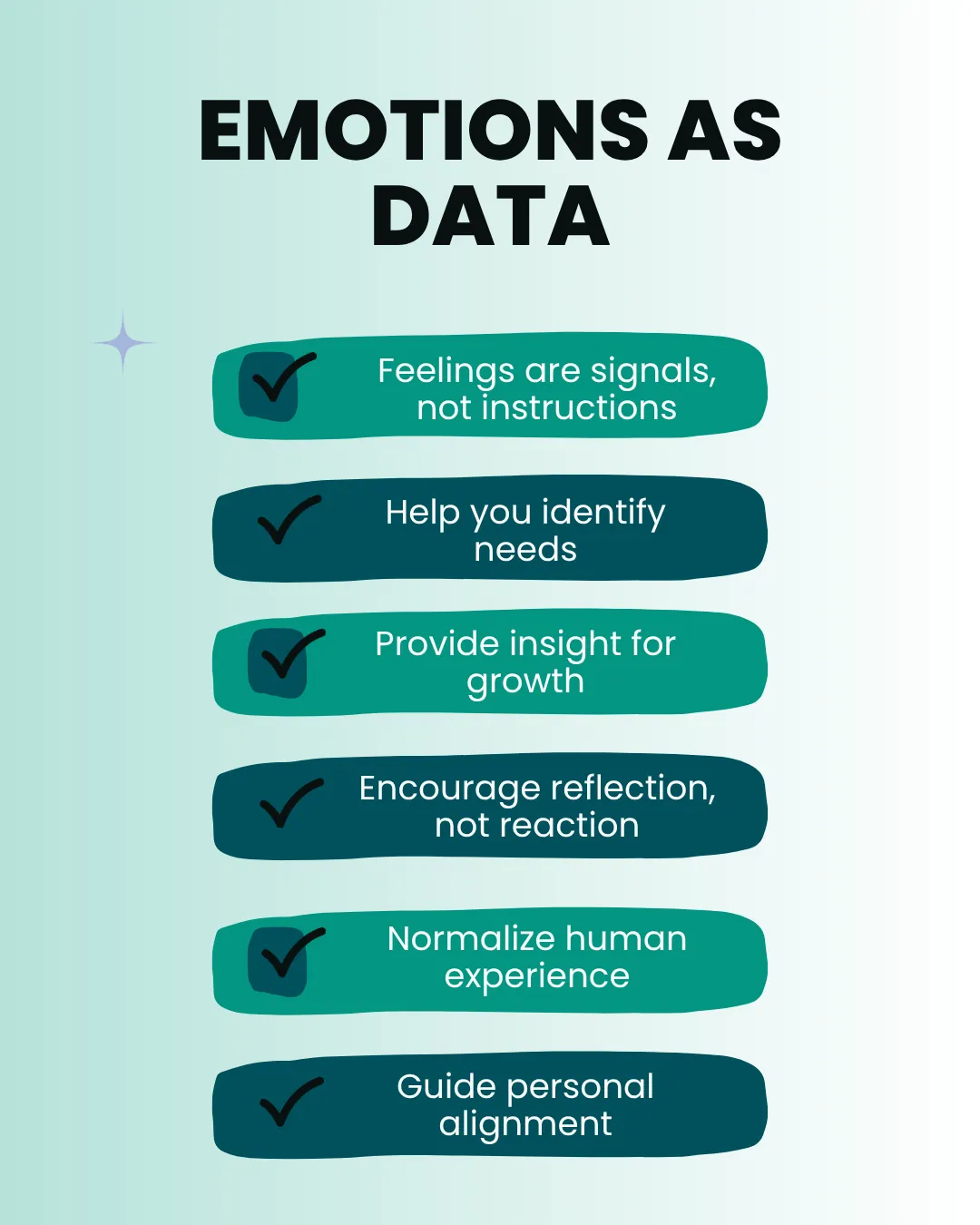
1. Feelings Are Signals, Not Instructions
Emotions provide valuable information but shouldn't always direct our actions. Treating emotions as signals gives you the opportunity to pause and analyze what they're telling you. Is your fear a signal of danger, or is it an indication of stepping out of your comfort zone? By interpreting emotions as data, you're empowered to choose your response wisely rather than reacting impulsively.
2. Identifying Needs through Emotions
Feelings can uncover unmet needs. For example, feelings of loneliness might suggest a need for connection and community. Recognizing this can lead individuals to seek out opportunities for social interaction. By being attentive to our emotional signals, we can take proactive steps to fulfill our needs.
3. Insights for Growth
Emotions point the way to personal growth. Joy can signal that you're following a path aligned with your values, while frustration might indicate that something needs to change. Reflecting on emotions can help you identify areas where you can improve or change course. This process of self-examination fosters continuous learning and development.
4. Encouraging Reflection, Not Reaction
Immediate reactions often result in misunderstandings or missed opportunities for deeper understanding. By encouraging reflection, emotions allow you to think about what really matters and how you want to respond. This mindset can minimize conflicts and improve communication, helping you foster better relationships with others.
5. Normalizing Human Experience
Emotions remind us that we're human. Everyone feels joy, sadness, anger, and every emotion in-between. Recognizing that emotional experiences are normal helps reduce the stigma around feelings. By validating emotions as part of the human experience, individuals can foster communities of empathy and support.
6. Guiding Personal Alignment
Aligning actions with values and beliefs often brings fulfillment. Emotions play a key role in guiding this alignment. By understanding emotions, you gain insight into what truly matters to you, leading to decisions and actions that resonate with your inner self. This alignment simplifies decision-making and empowers you to live authentically.
Practical Tips for Using Emotions as Data
- Keep a Journal: Write down your emotions regularly to track patterns and triggers.
- Practice Mindfulness: Spend a few minutes daily being present and observing your feelings without judgment.
- Seek Feedback: Talking to friends or professionals can provide different perspectives on your emotional data.
- Set Goals: Use emotional insights to set personal development objectives.
By understanding and interpreting emotions as data, you're equipped to make informed choices that benefit not just personal well-being but also your relationships and community. Embrace this approach, and explore how it can transform your life's journey.