
IT'S TIME TO HEAL
Learn
Education Is Empowerment. Once you begin to learn more about how your body works and why it becomes imbalanced, you will start to look at health and healing as an equation.
Learn What Your Body’s Been Trying to Tell You
Your symptoms aren’t random—they’re signals. In the Learn Library, I share insights to help you understand your body, explore natural healing tools, and feel empowered on your wellness journey.
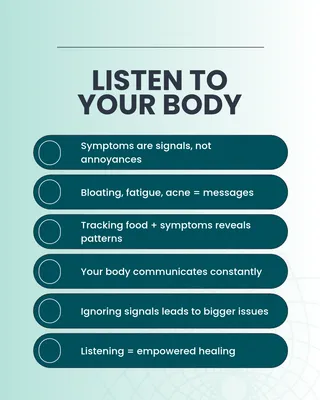
Unlock Wellness: Listen to Your Body
Discover how understanding body signals boosts health. Empower your healing journey through mindful listening. ...more
Detox
October 18, 2026
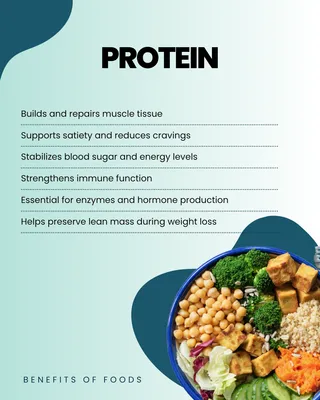
Why Protein is Essential for Your Health
Discover the key benefits of protein, from building muscle to supporting immunity, and learn how to incorporate it daily. ...more
Detox
October 11, 2026
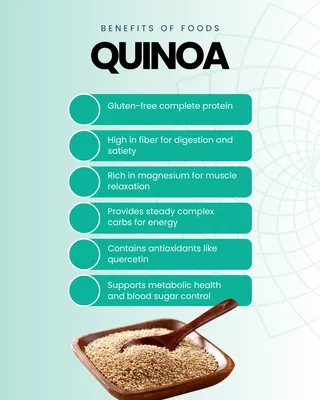
Quinoa: The Superfood You Need
Discover quinoa's health benefits. Improve digestion, boost energy, and support metabolism with this gluten-free grain. ...more
Detox
October 04, 2026
7 Integrative Disciplines
- Ayurvedic Medicine
- Bioregulatory Medicine
- Herbalism (TCM)
- Traditional Naturopathy
- Eastern Philosophy
- Orthomolecular Medicine
- Functional Medicine
Traditional Indian Healing for Body, Mind, and Spirit
Ayurvedic Medicine is one of the world's oldest holistic healing systems, developed more than 3,000 years ago in India, based on the belief that health and wellness depend on a delicate balance between the mind, body, and spirit. It utilizes diet, herbal treatments, and yogic breathing techniques to maintain or restore health according to individual constitutional types.
Enhancing Natural Self-Healing through Integrated Approaches
Bioregulatory Medicine is an integrative approach to health that focuses on restoring the body's self-regulating capacity by reducing toxicity and inflammation. It blends therapies from various medical traditions to enhance the body’s natural healing mechanisms and maintain homeostasis.
Balancing Body and Mind Through Ancient Wisdom
Herbalism is an ancient system of healthcare integrating physical, emotional, and spiritual aspects of wellness, using tools such as acupuncture, herbal medicine, and dietary therapy to balance the body's energies. It is based on the philosophy of Qi (energy flow) and the theory of Yin and Yang, seeking to correct disharmonies within the body.
Natural Therapies for Preventive Health and Wellness
Traditional Naturopathy is a holistic approach to wellness promoting healing through natural therapies and lifestyle interventions, aiming to support the body's own healing abilities. It emphasizes prevention and the use of non-invasive treatments and natural remedies such as herbs, nutrition, and physical therapy.
Insights and Practices for Harmonious Living
Eastern Philosophy encompasses a vast range of philosophical traditions originating in Asia, including Chinese, Japanese, and Indian philosophy, which often emphasize the interconnectedness of all life and the importance of harmony and balance. It includes various schools like Confucianism, Taoism, and Zen, focusing on morality, meditation, and the path to enlightenment.
Optimizing Health Through Biochemical Balance
Orthomolecular Medicine aims to restore the optimal environment of the body by correcting imbalances or deficiencies based on individual biochemistry using substances natural to the body, such as vitamins, minerals, amino acids, and other trace elements. This approach prioritizes prevention and treatment of disease through nutrients at doses intended to promote optimal health.
Harnessing Personalized Healthcare for Root Cause Resolution
Functional Medicine is an individualized, client-centered approach focusing on identifying and addressing the root causes of disease. It uses a systems-oriented model engaging both client and practitioner in a therapeutic partnership.
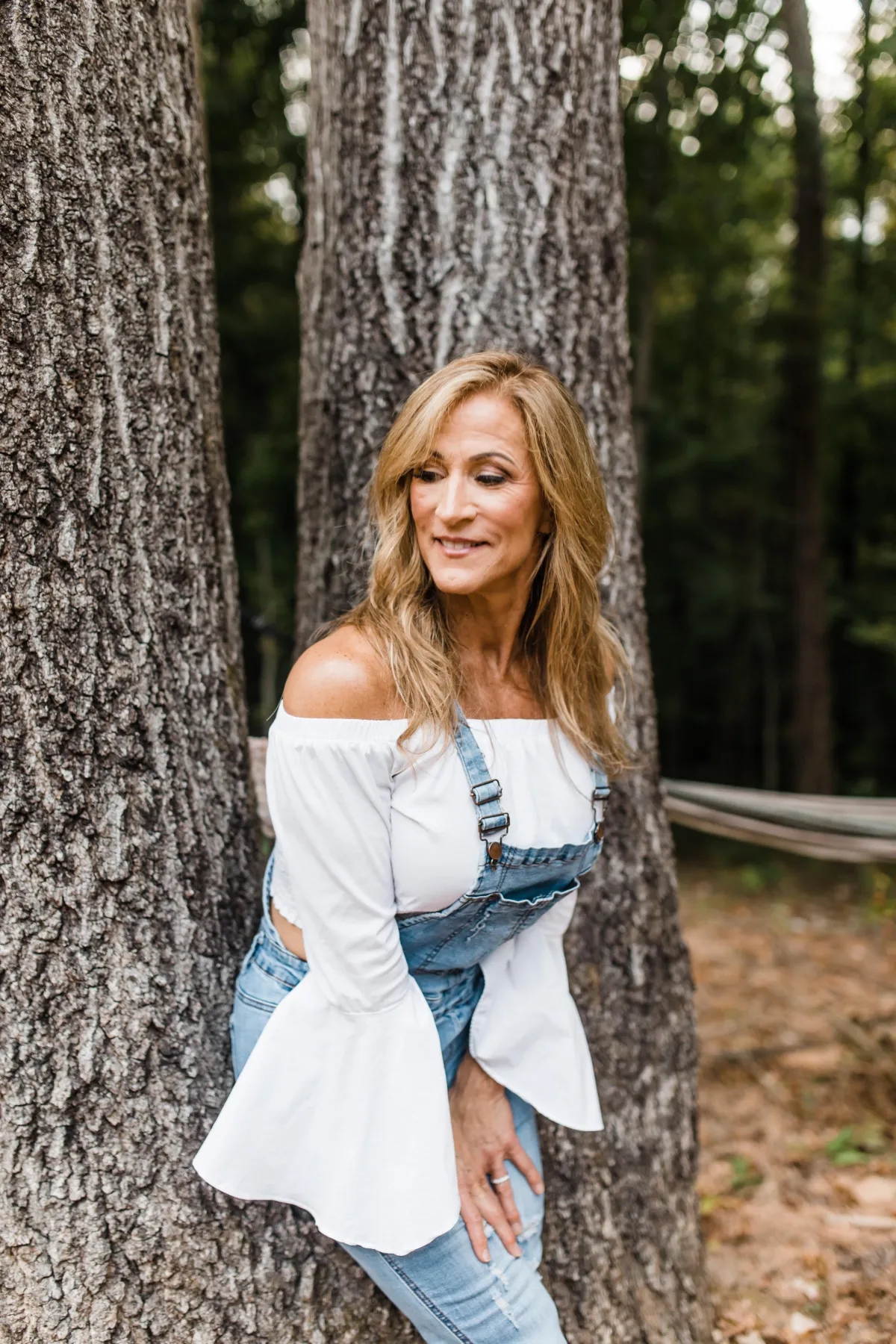
Discovering a Better Way
In my 50s, I pursued a lifelong dream of competing in women’s physique bodybuilding—and even earned my IFBB Pro Card. On the outside, I looked like the picture of health, but inside my body was in turmoil. Sleepless nights, thinning hair, cold extremities, debilitating joint pain, and overwhelming fatigue were daily realities. Doctors told me it was “just genetics” or part of aging, but deep down, I knew there had to be more to the story. What I later discovered was that my “toxic load” and hormonal imbalances—not my genes—were driving my symptoms.
Calculate Your BMI
BMI Calculator Chart
| BMI Range | Category |
|---|---|
| Less than 18.5 | Underweight |
| 18.5 to 24.9 | Normal Weight |
| 25.0 to 29.9 | Overweight |
| 30.0 to 34.9 | Obesity Class 1 |
| 35.0 to 39.9 | Obesity Class 2 |
| Greater than or equal to 40.0 | Obesity Class 3 |
Have More Questions?
Healing doesn’t have to be confusing. If you’re wondering whether this approach is right for you, let’s connect. I’m happy to answer your questions and help you get clear on your next step.
Empowering you to heal from within through integrative health coaching and personalized wellness solutions.
Join The Community
Sign up to receive emails with news, updates, tips, recipes, and more!