
Quinoa: The Superfood You Need
Quinoa: The Superfood You Need
Quinoa is more than just a trendy food that garnishes dinner plates across the world. It's a powerhouse of nutrition that offers numerous health benefits. This blog explores six main advantages of including quinoa in your diet.
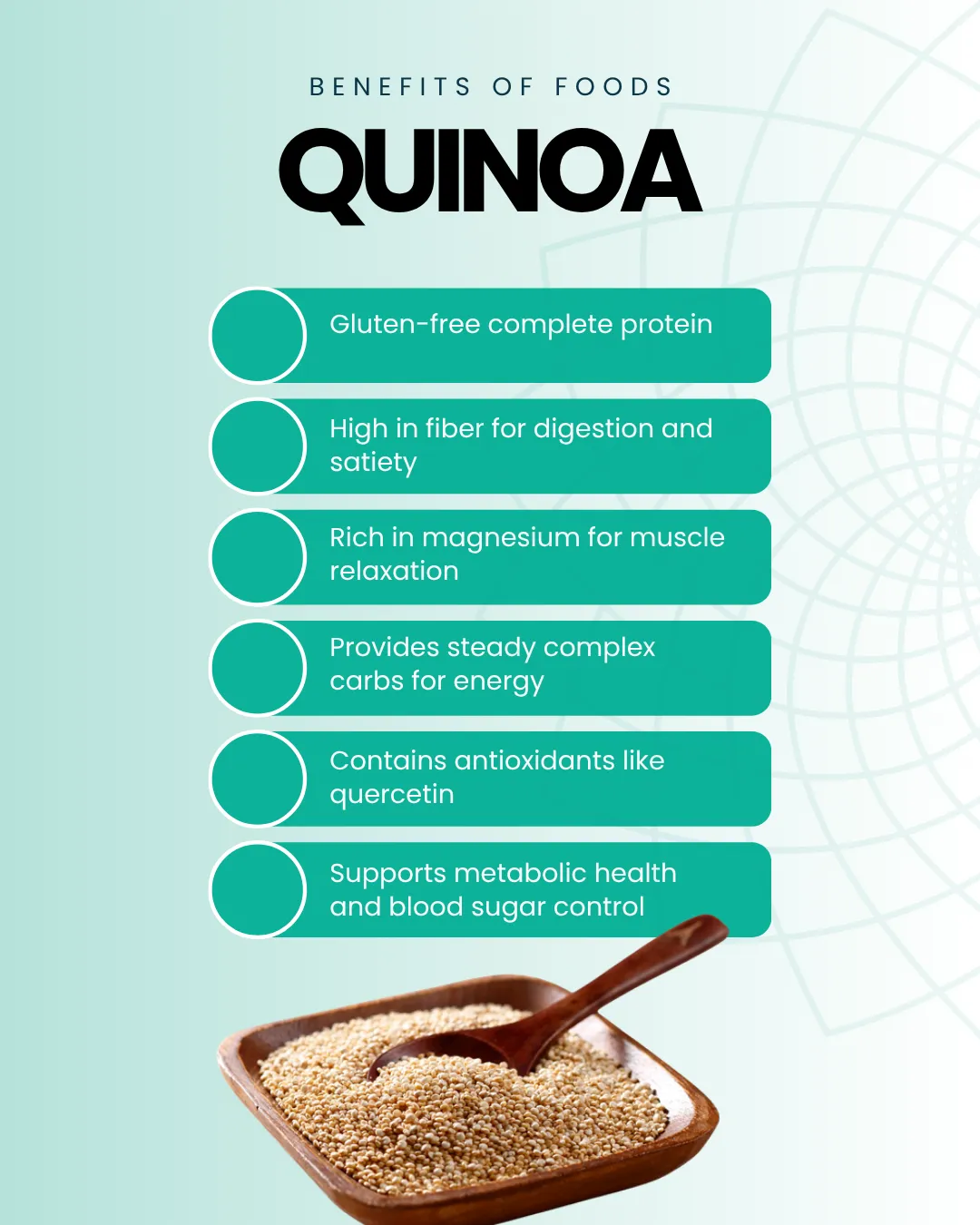
1. Gluten-Free Complete Protein
Many people are on the lookout for gluten-free options, especially those with gluten intolerances or celiac disease. Quinoa fits the bill perfectly as it’s naturally gluten-free. What's more, it’s a complete protein source. This means it contains all nine essential amino acids that our bodies can't produce on their own. For vegetarians and vegans, quinoa is a fantastic way to get sufficient protein without needing meat.
2. High in Fiber for Digestion and Satiety
Fiber is crucial for keeping our digestive systems in check. Quinoa is high in fiber, which helps with digestion. When you eat foods high in fiber, it helps fill you up and keeps you feeling full for longer, reducing the temptation to snack unnecessarily. This can be especially helpful for people trying to maintain or lose weight.
3. Rich in Magnesium for Muscle Relaxation
Magnesium is a mineral that is important for muscle relaxation and preventing cramps. Quinoa is rich in magnesium, making it a great option for athletes or anyone working on physical fitness. Magnesium plays a role in more than 300 enzymatic reactions in the body, including those involving energy production and muscle contractions.
4. Provides Steady Complex Carbs for Energy
Quinoa provides steady complex carbohydrates which are essential for energy. Unlike simple carbohydrates, which can cause a quick spike in blood sugar followed by a crash, complex carbs in quinoa are digested slowly. This provides a prolonged energy release over time. This is beneficial for maintaining energy throughout the day and is especially useful for athletes needing sustained energy before workouts.
5. Contains Antioxidants Like Quercetin
Antioxidants are important for fighting off free radicals that can cause damage to cells in our bodies. Quinoa contains powerful antioxidants like quercetin, which help in reducing inflammation and promoting heart health. Eating foods rich in antioxidants can contribute to overall health and help fend off chronic diseases.
6. Supports Metabolic Health and Blood Sugar Control
Regular consumption of quinoa can aid metabolic health and blood sugar control. It has a low glycemic index, meaning it does not cause a rapid increase in blood sugar when consumed. For people with diabetes or those monitoring their blood sugar levels, quinoa can be a beneficial dietary addition.
How to Incorporate Quinoa into Your Diet
Adding quinoa to your diet is simple. Here are a few ideas:
- Breakfast: Turn it into a breakfast porridge by cooking it in milk and adding fruits and nuts.
- Lunch: Use it as a base for a salad. Add your favorite veggies and a protein like chickpeas or tofu.
- Dinner: Serve it as a side dish instead of rice or pasta. It pairs well with most main dishes.
- Snacks: Make quinoa patties or bites as a healthy snack option.
Conclusion
Quinoa isn’t just a culinary trend; it’s a nutritional powerhouse that offers numerous health benefits. From protein provision to fiber content and metabolic support, it checks many boxes necessary for a balanced, health-centered diet. Your body and taste buds will thank you for including it in your meals!